



At Light + Building 2026, we didn’t approach our presence as a collection of products.
We approached it as a timeline.
The way the stand was structured reflects how Filix has developed over time—from working in the most demanding conditions to building systems that operate across entire spaces. Each part connects to the next. Not as separate categories, but as steps in one continuous process.
It Started Underwater
Filix began with underwater lighting.
That environment sets very clear rules. Once a luminaire is installed, it has to work. There is no easy access, no quick replacement, and no tolerance for failure. Materials, sealing, and performance are pushed to their limits.
This is where our standards were formed:
• resistance to corrosion
• long-term reliability
• precise control of light
Those requirements shaped how we design from the beginning. Everything that followed builds on that foundation.
From Water to Architecture
The next step moved above ground.
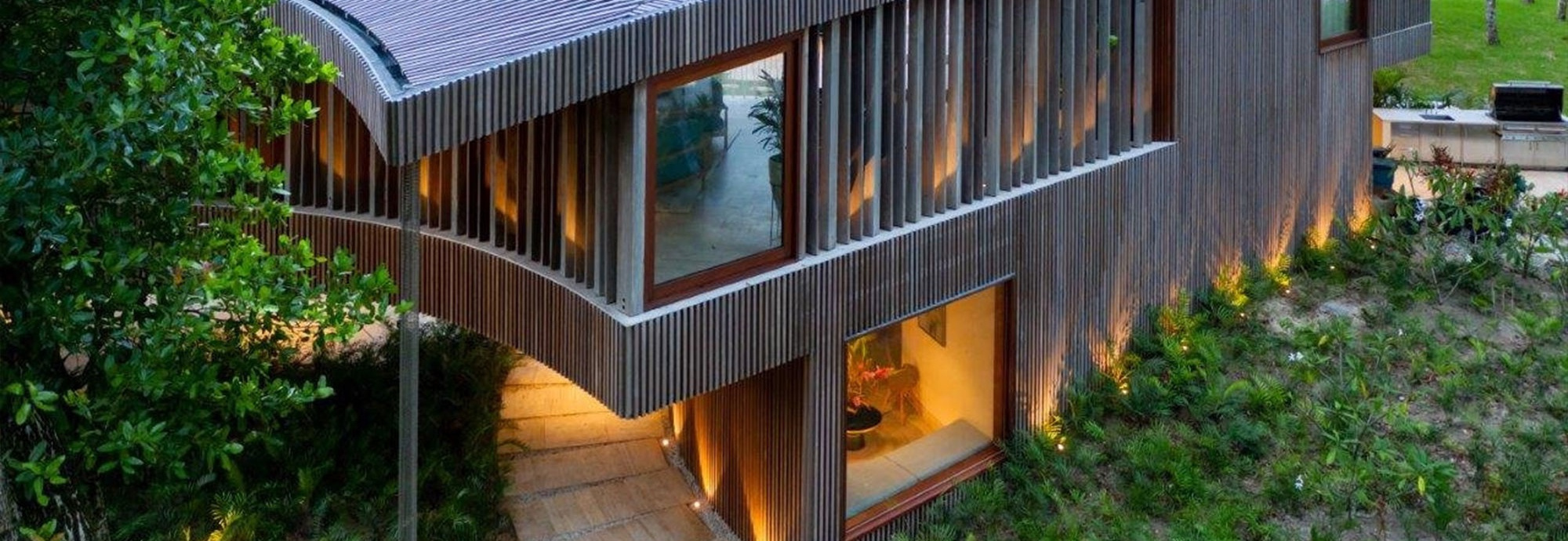
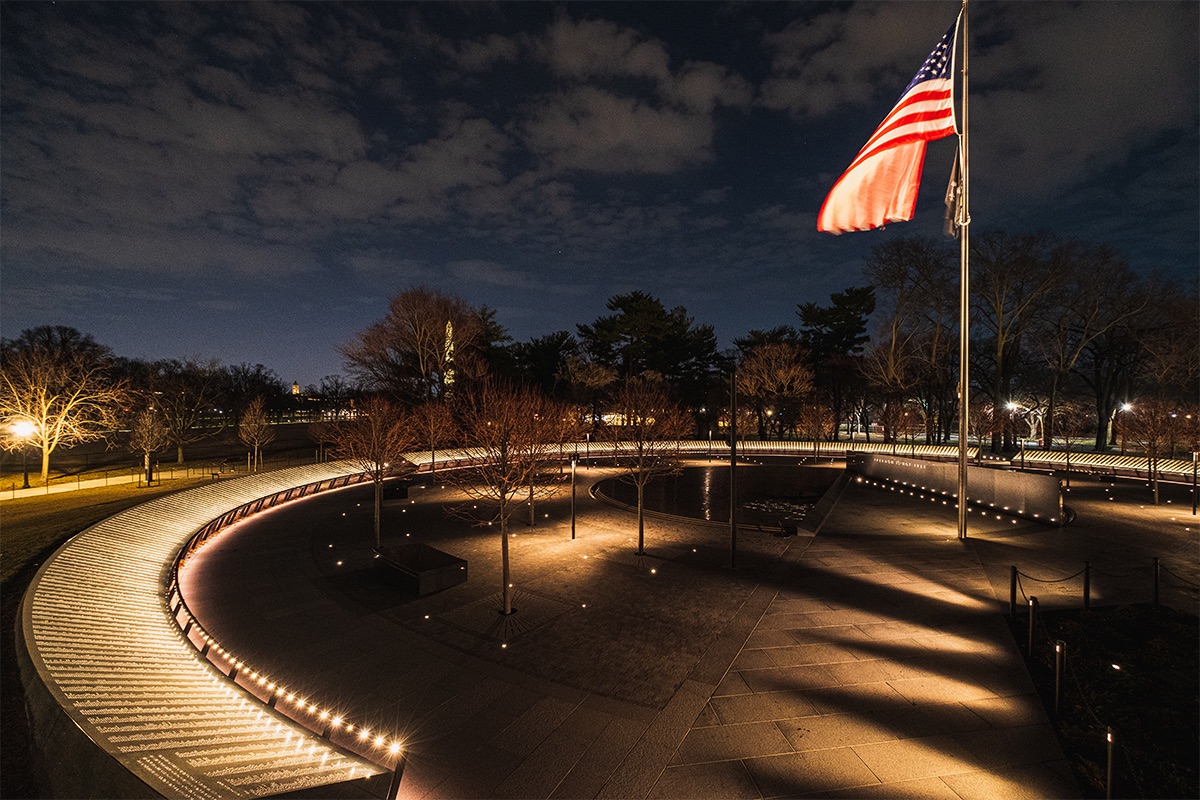
In-ground lighting brought a different type of challenge. Fixtures are exposed to water, dirt, pressure, and daily use, while at the same time becoming part of architecture.
Here, lighting is no longer something applied to a space. It becomes part of it.
The focus shifts toward integration:
• fitting into surfaces
• handling mechanical stress
• maintaining performance over time
The same logic from underwater remains, but now it has to work within the built environment.
Expanding Into Urban Scale
As projects grew, so did the scale.
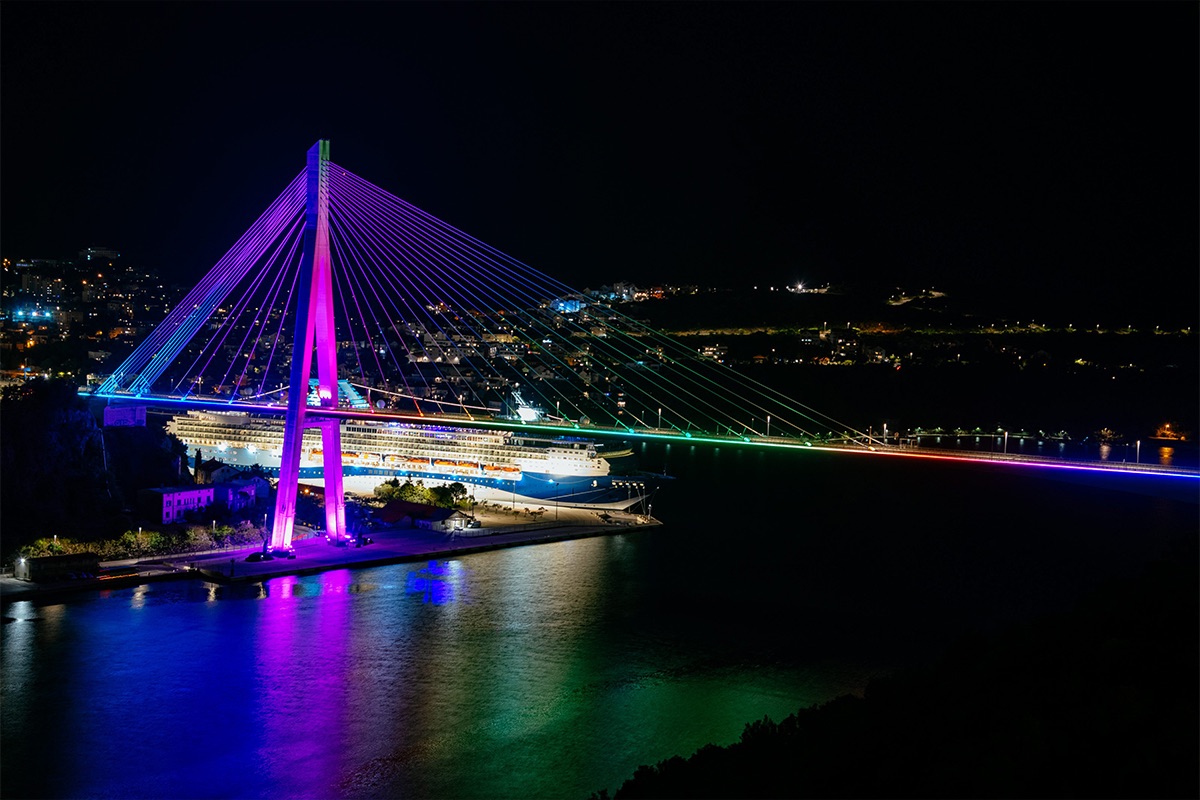
Lighting moved from architectural details to façades, bridges, and public structures. These environments are fully exposed, weather, vibration, and long operating hours all become part of the equation.
Consistency becomes essential. Light needs to perform reliably across larger areas while maintaining control and avoiding glare.
The conditions change again, but the same principles carry through.
Introducing Precision
With larger and more open environments comes the need for control.
Projectors and spotlights allow light to be placed with intention. Instead of illuminating everything evenly, light is directed, highlighting elements, creating hierarchy, and shaping how a space is perceived.
This adds another layer to the evolution:
• control over optics
• variation in output
• precise aiming
• management of glare
The focus moves toward how light is used, not just how it performs.
From Fixtures to Systems
The next step is where the shift becomes more visible.
As landscapes and public spaces become more complex, working with individual fixtures across large areas introduces challenges: installation, cabling, maintenance, and long-term adaptability.
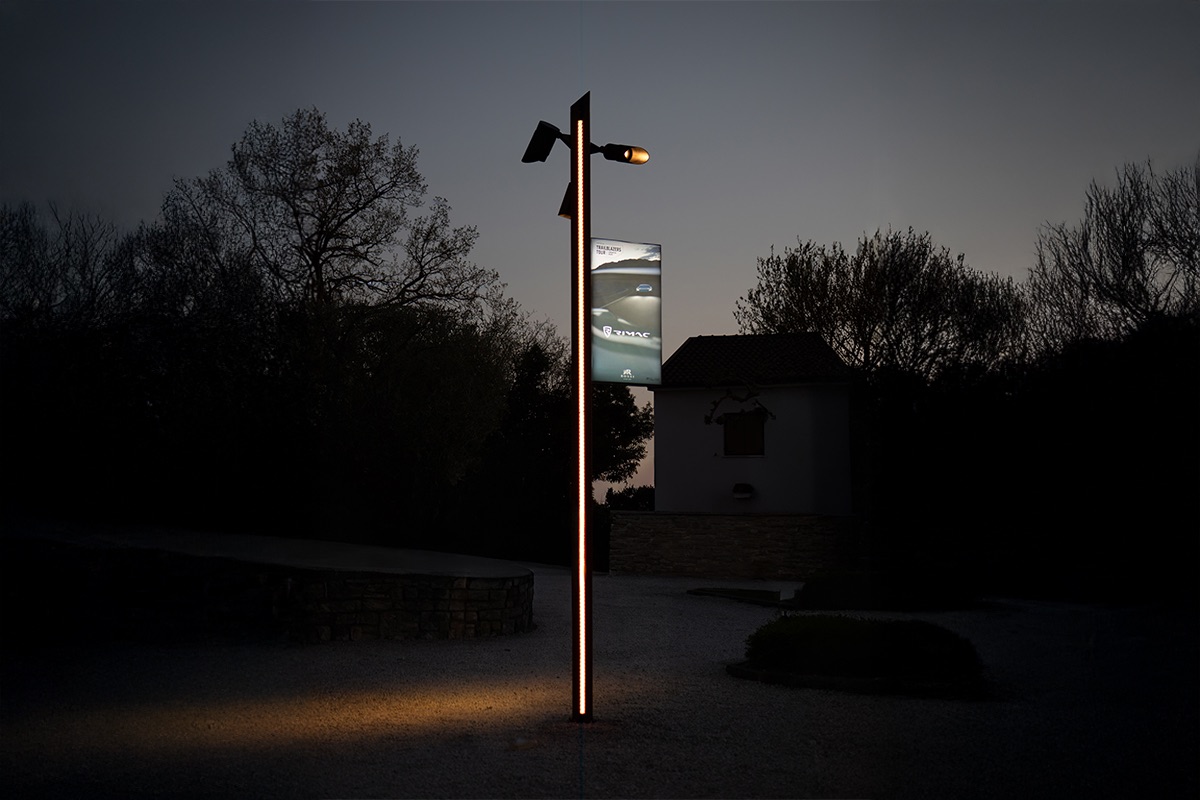
This is where TRIA comes in.
It brings the same principles into a system:
• one structure supporting multiple lighting functions
• fewer installation points
• simplified cabling
• flexibility for adjustments over time
Lighting becomes organised at a different level. Not just as individual points, but as a coordinated structure across the space.
A Continuous Line
Looking at this progression, each step follows naturally from the previous one.
• underwater defines the standard
• architecture integrates it into space
• urban projects scale it
• projectors refine control
• systems organise everything together
The environments change. The applications expand. The scale increases.
The underlying logic stays the same.
What This Meant in Frankfurt
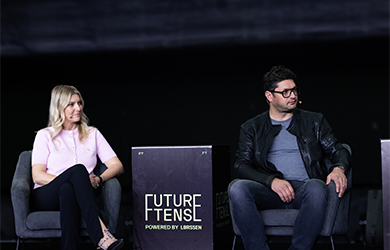
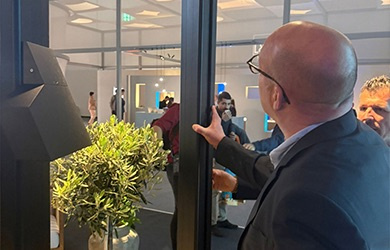
At Light + Building, this evolution was shown as a sequence rather than a catalogue.
Moving through the stand meant moving through this timeline. It made it easier to understand how each part connects and why the portfolio looks the way it does today.
For many visitors, this gave context. Instead of seeing separate products, they could follow the path from one stage to the next.
Where It Leads
This progression continues.
As projects become more complex and environments more dynamic, lighting needs to respond differently. It needs to adapt over time, work across larger areas, and remain consistent in performance.
That is where the focus shifts.
From individual luminaires
to how light is organised across space.
From isolated solutions
to systems that evolve with the project.
That direction comes directly from the way Filix has developed so far.
And it is where we are continuing to build.